Three objects in Lucky Charm carry immense significance in the lives of the characters.
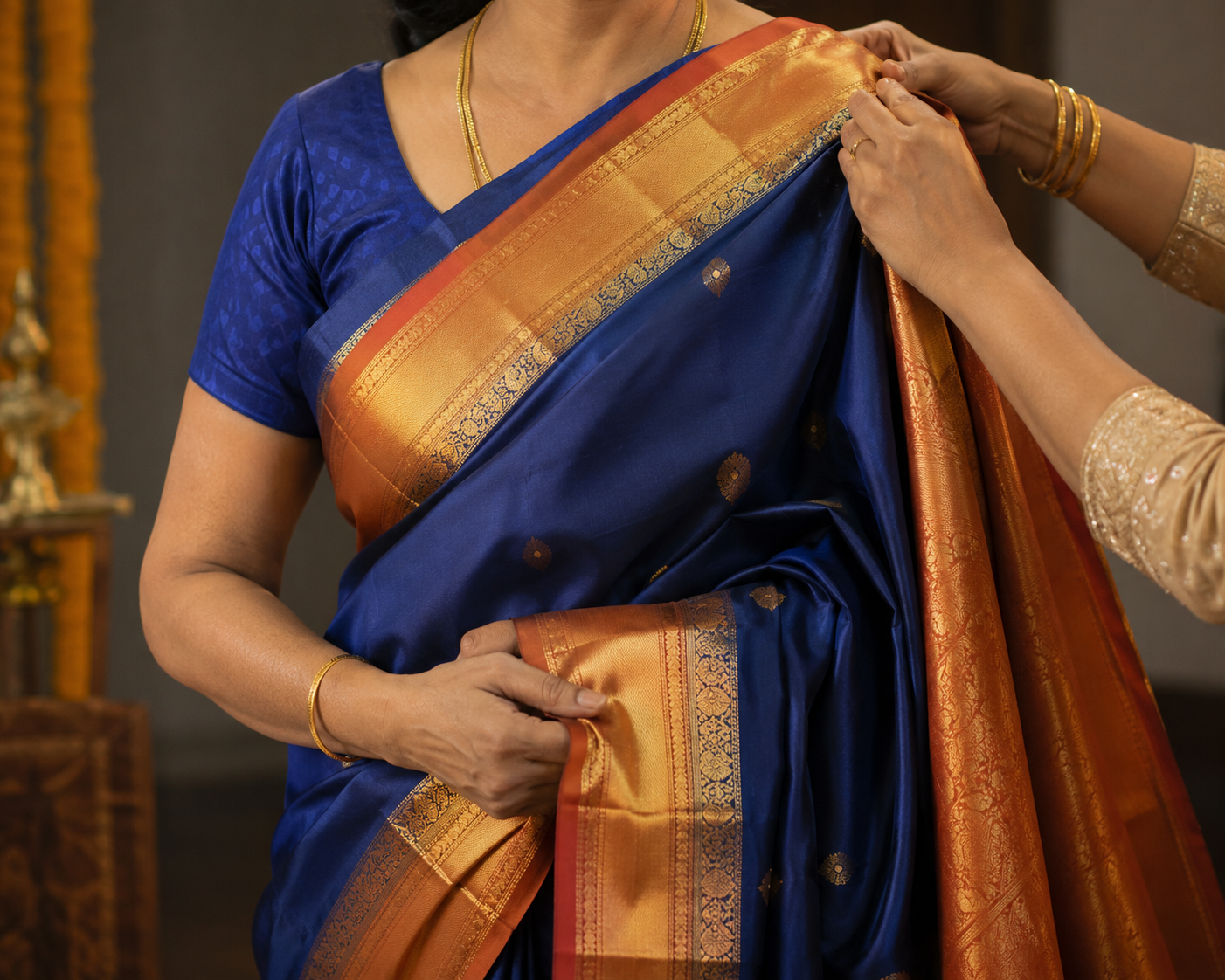
The Sari
In Lucky Charm, one of Anjali's exes preferred that she did not wear saris. Despite their shared heritage, he had deeply set ideas about what this piece of clothing said about his wife-to-be. Given the importance of this garment to Anjali’s sense of identity, perhaps it was inevitable that they part ways.
Is there a garment in your own wardrobe that carries your history? Something you wear not just for how it looks, but for what it says about who you are?
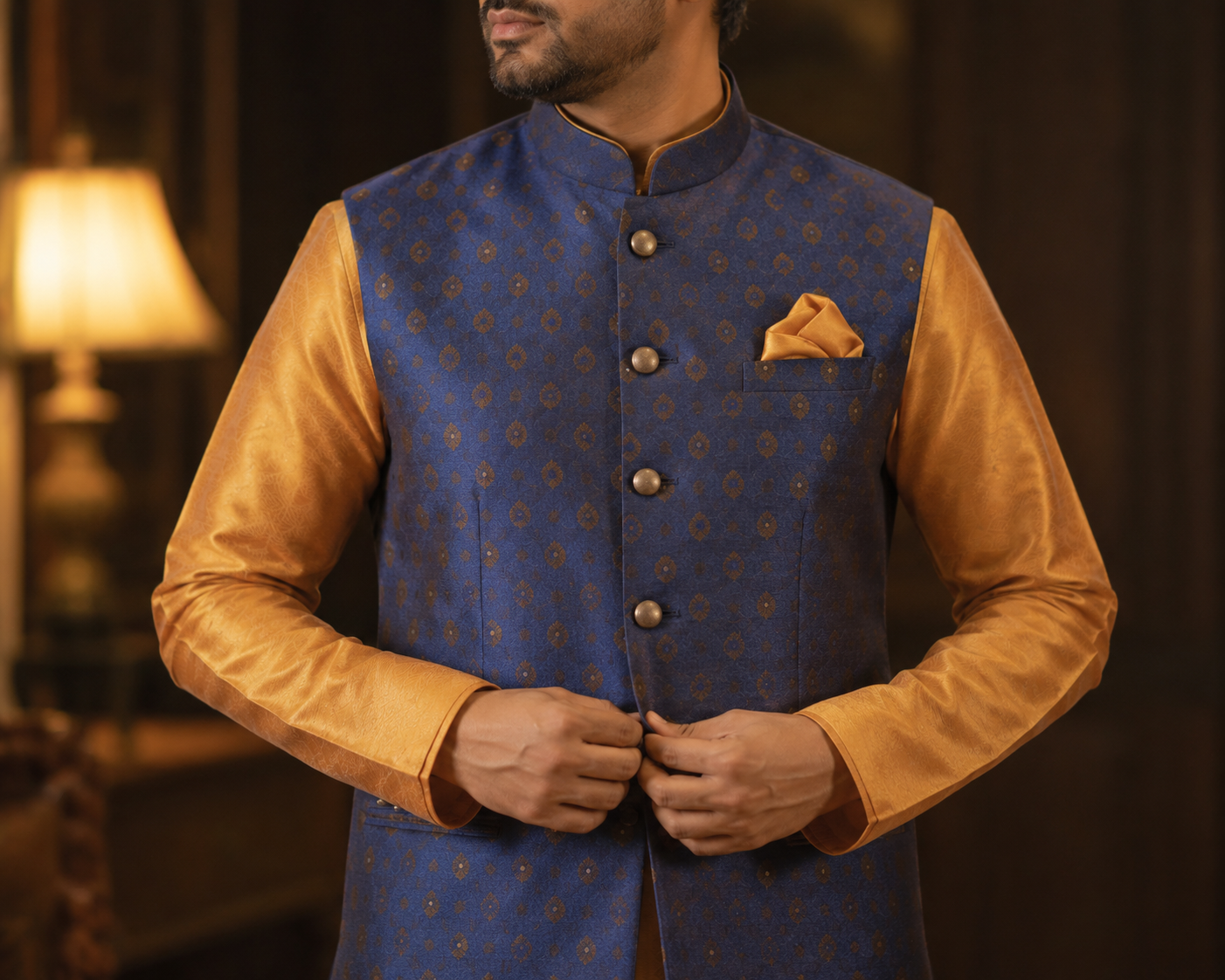
The Nehru Jacket
The man Anjali marries shares her belief that heritage is worth displaying. The garment she loves seeing him in takes its Western name from Jawaharlal Nehru, India's first Prime Minister.
It is worth noting: Indian women's dress — the sari, the salwar, the lehenga — has far greater visibility in Western popular culture than its male equivalents. That asymmetry is its own kind of story.
Think of the men in your family. How does gender influence the ways in which clothing and identify manifest in your home?
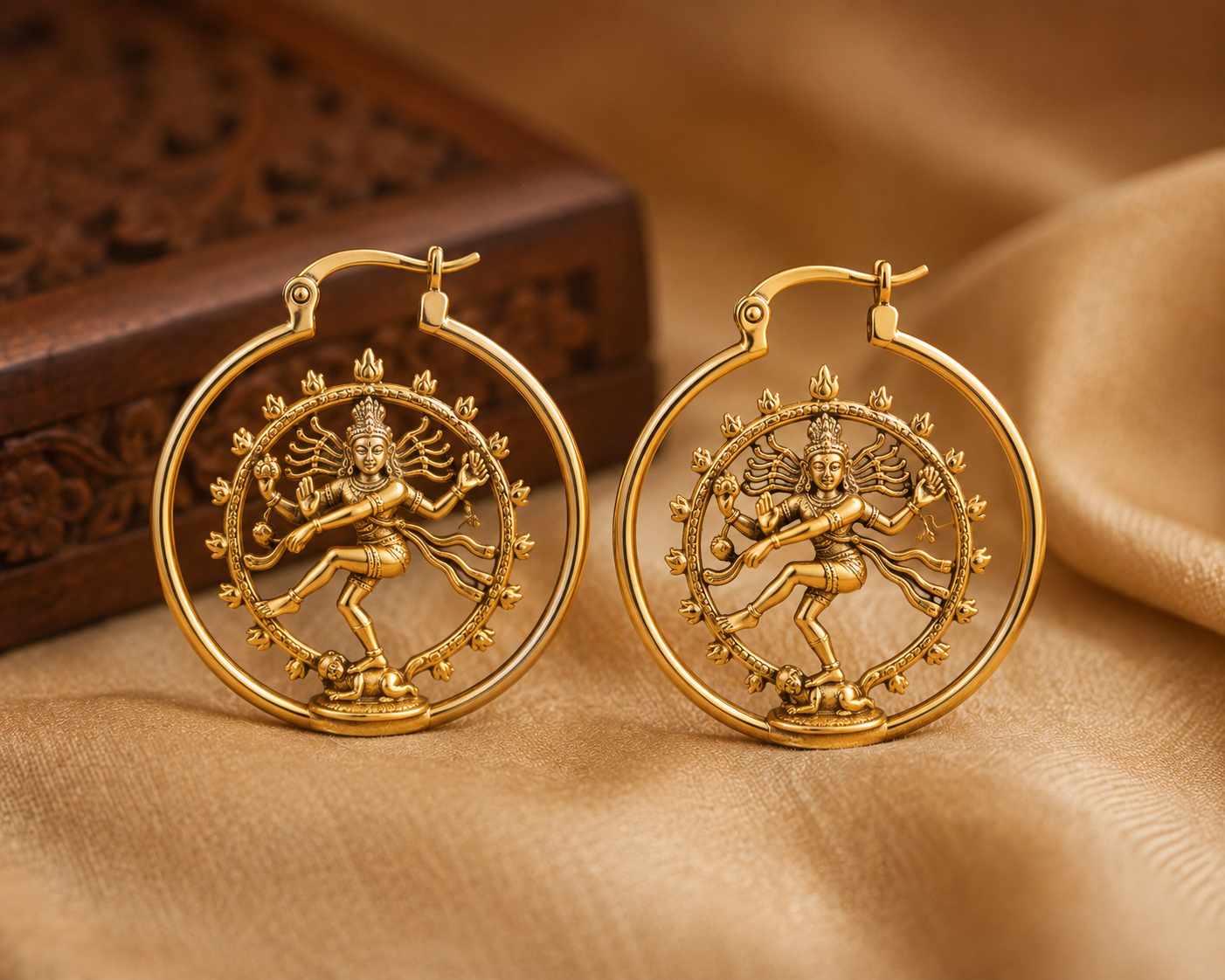
Nataraj Hoops
In Lucky Charm, it is a pair of earrings that cracks something open between the protagonists. Set in gold hoops, each one holds the figure of Nataraj — Shiva in his form as the Lord of the Dance. Nataraj is one of the most recognizable forms in Indian iconography and one of the most philosophically dense. The circle of flames might be said to symbolize the universe. The raised foot, liberation. The drum in one hand has been known to beat time into existence; the fire in the other, to reminds us of time’s inevitable end.
Do you own a piece of jewelery, or an object, that carries meaning that only some people in a room would understand? What does it feel like to be seen by someone who does?